
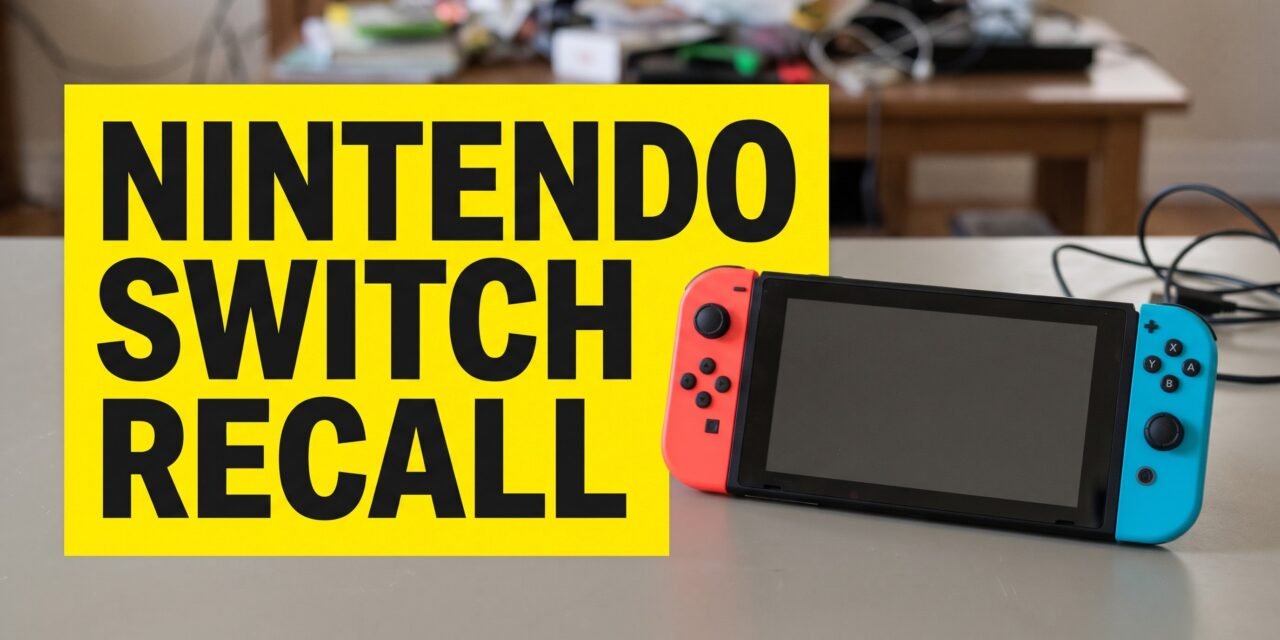
How a Recall Reshaped Nintendo’s Reputation for Quality
Gaming history has shown that even difficult console generations can become turning points for innovation. The Nintendo Switch recall keyword Nintendo Switch by reports of overheating dock connectors and scratched screens shortly after its launch, causing the recall banter to quickly roam the world of gamers. Sony tackled the issue head-on by swapping out affected devices and making it clear to any concerned owners. That answer said a lot about how the company reacts to its challenges
and why that trust in the platform was remarkably high throughout.
What was the problem that caused the concern
Users who used the software immediately after its launch in March 2017 have identified several bugs. Because of alignment tolerances during manufacture, the dock left visible scratches on some of the screen surfaces when they were used to switch the console from handheld to TV mode. A minority of units had issues with the Joy-Con, such as the left controller falling out of range during wireless play, which
shouldn’t have happened. Both affected only a portion of the install base, but online exposure made the numbers much larger than the official counts of complaints.
How Nintendo Responded
In several territories, including Nintendo’s home base of Japan, Nintendo Switch recall keyword nintendo switch has admitted to the drift and connectivity problems publicly and has promised to provide free repairs on its support programme, without the need for proof of purchase. Consumer oriented, but measured. Owners were able to send the affected
controllers directly to repair centres, and get the replacement in a reasonable time period. The problem with the scratches in the screen was resolved by a few quiet adjustments of the interior lining material used in later lots, without announcing the change which could have caused unnecessary anxiety throughout the general audience.
The wider impact on the trust of consumers
The really unique thing about this episode is how little real damage was actually done. With the Nintendo having sold well
over 140 million units making it the third top-selling console of all time. The contentions fueled communities around the platform which were growing steadily with greater emphasis on the value of the software library and the actual innovation of the hybrid format, rather than any hardware issues impacting only a small percentage of all owners. Part of this was because Nintendo is willing to fix, and fix quickly.
The lessons learnt by the Industry
The episode served as a model for hardware manufacturers on dealing with early production
problems. Clear communication, easy repair routes and engineering changes that were not noticeable were more effective than silence and deflection. Competitors took note. The consumers appreciated the way and remained loyal, while reviewers pointing out the issues did concede the solution was appropriate.
Conclusion
All console releases are risky. They fail, tolerances creep, and there are variables in manufacturing that aren’t covered by any test cycle. The quickness and authenticity of the feedback and in that regard,
Nintendo treated a tough moment with the kind of care its fans are used to.